KEYNOTE SPEAKERS
Prof. Dr. Ümit KOCABIÇAK
Turkish Higher Education Quality Council (THEQC)
President
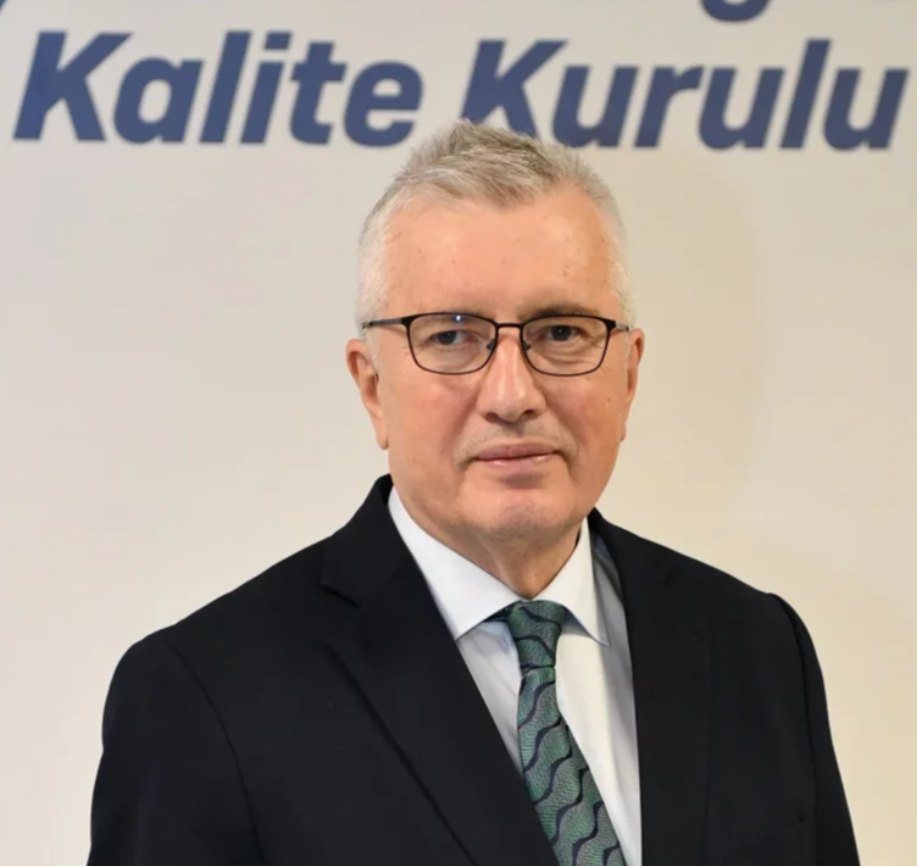
Biodata:
Prof. Dr. Ümit Kocabıçak completed his primary, secondary, and high school education in Sakarya. He graduated from the Department of Aeronautical Engineering at Istanbul Technical University (ITU) in 1983, received his master’s degree at ITU in 1985, and completed his PhD at the ITU Institute of Science in 1994. In 1995, he was appointed Assistant Professor at Sakarya University, became Associate Professor in Computer-Aided Design and Manufacturing in 1999, and was promoted to Professor in Computer Engineering (Computer Software Division) in 2005.
His administrative roles have included Vice Dean of the Faculty of Engineering, Head of the Department of Mechanical Engineering, Director of the Continuing Education Center, Head of the Department of Computer Engineering, Director of the Computer and Research Center (BAUM), and Director of the Distance Education Center (UZEM). Between 2010–2014, he served as Dean of the Faculty of Computer and Information Sciences, and between 2014–2018 and 2022–2023, he held the position of Vice Rector.
In 2010, Prof. Dr. Kocabıçak pioneered the establishment of the Sakarya University Management Information System (SABİS), which facilitated accreditation processes at national and international levels, and coordinated it between 2010–2019 and 2022–2023. He was part of the working team that contributed to Sakarya University receiving the EFQM European Quality Award in 2015 and 2018.
Prof. Dr. Kocabıçak aims to contribute to improving the quality of universities by analyzing all evaluation criteria that form the basis of a quality assurance system aligned with European Standards. He has set goals to complete the YÖKAK Digital Transformation project previously initiated and to develop the YÖKAK Artificial Intelligence Robot. Furthermore, in the upcoming period, he intends to make Türkiye’s quality culture in higher education visible worldwide through YÖKAK’s International Institutional Accreditation Program, particularly in the Turkish Republic of Northern Cyprus and other cultural geographies.
He is married and has two children.
Prof. Dr. Gürcü KOÇ
Gazi University, Quality Coordinator
Chair of the EPDAD Education Commission
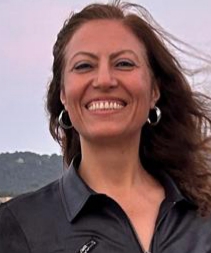
Biodata
Gürcü Koç received her bachelor’s degree from the Department of Child Development and Education at Gazi University. She completed her first master’s degree in the same field at the Institute of Social Sciences at Gazi University, and her second master’s and doctoral degrees in Curriculum and Instruction at the Institute of Social Sciences at Hacettepe University. She is currently a faculty member in the Division of Curriculum and Instruction, Gazi Faculty of Education, Gazi University. Her research interests include curriculum development, teacher education, teaching and learning processes, higher-order thinking skills, quality assurance and accreditation in higher education, and lifelong learning. She has participated in numerous national and international projects as a curriculum expert. She currently serves as the Quality Coordinator at Gazi University and the Accreditation Coordinator at Gazi Faculty of Education. She served as the Vice President of EPDAD-EFAK between 2021 and 2022. She is the Chair of the EPDAD Education Commission and has undertaken various roles as a team leader and curriculum expert in EPDAD field visits. Since 2015, she has been serving as a field editor for The Journal of Turkish Educational Sciences (Türk Eğitim Bilimleri Dergisi), and as of 2025, she serves as the Editor-in-Chief.
Prof. Dr. Gülru YÜKSEL
Yıldız Teknik University
Vİce President of EPDAD Executive Board
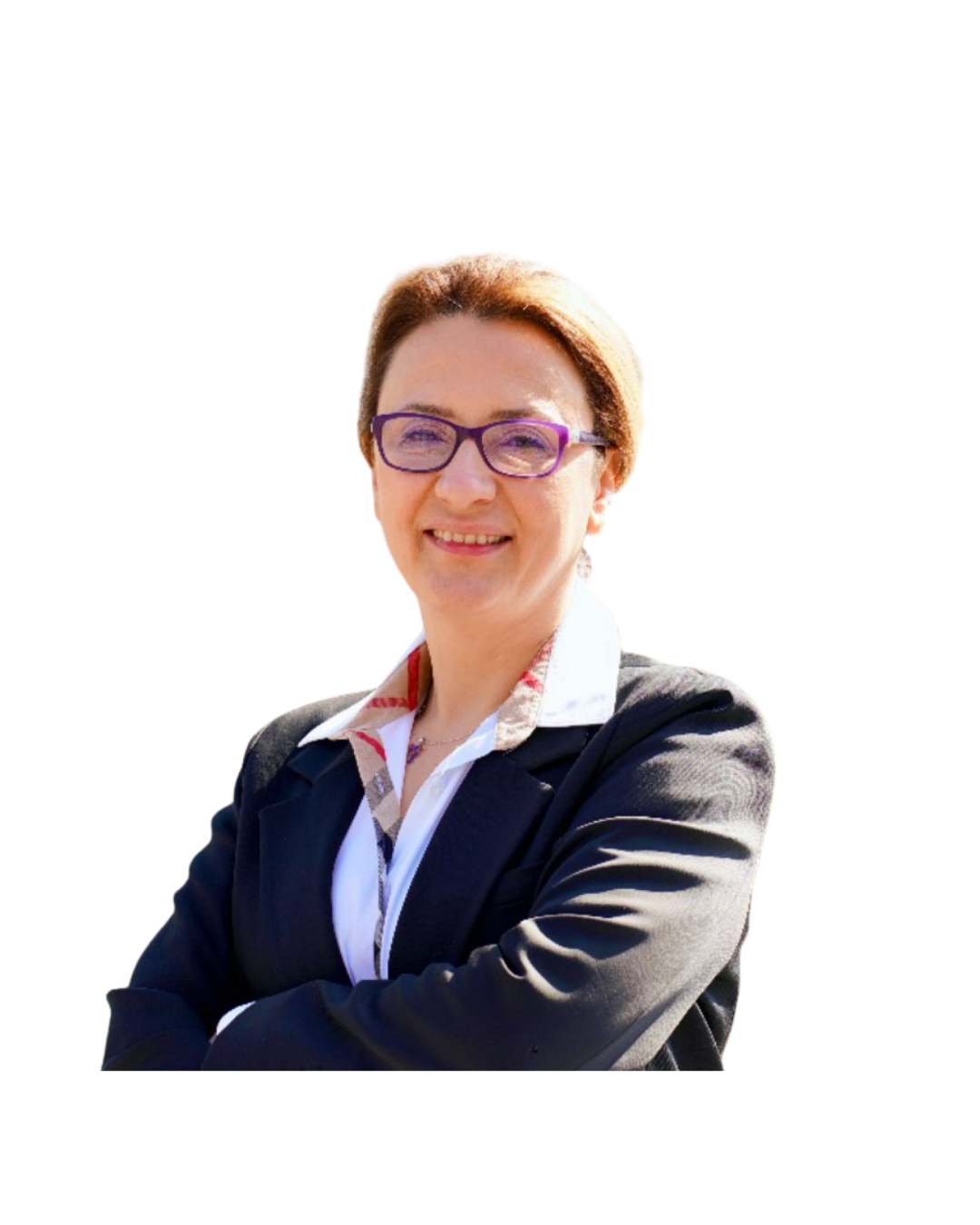
Biodata
Prof. Dr. Hatice Gülru Yüksel is a Professor of Foreign Language Education at Yıldız Technical University, Türkiye. Her research focuses on sustainable quality in education through technology-enhanced language learning, with particular emphasis on digital transformation and artificial intelligence in teacher education. She has published extensively in SSCI-indexed journals on topics such as augmented reality, online collaborative writing, and technology acceptance in EFL contexts. Prof. Yüksel has led and supervised numerous national and international projects, including TÜBİTAK-funded studies, and serves on the executive board of the Association for Evaluation and Accreditation of Teacher Education Programs (EPDAD). Her work integrates innovation, quality assurance, and evidence-based pedagogy in language education.
Prof. Dr. Dündar YENER
Dokuz Eylül University, İzmir – TÜRKİYE
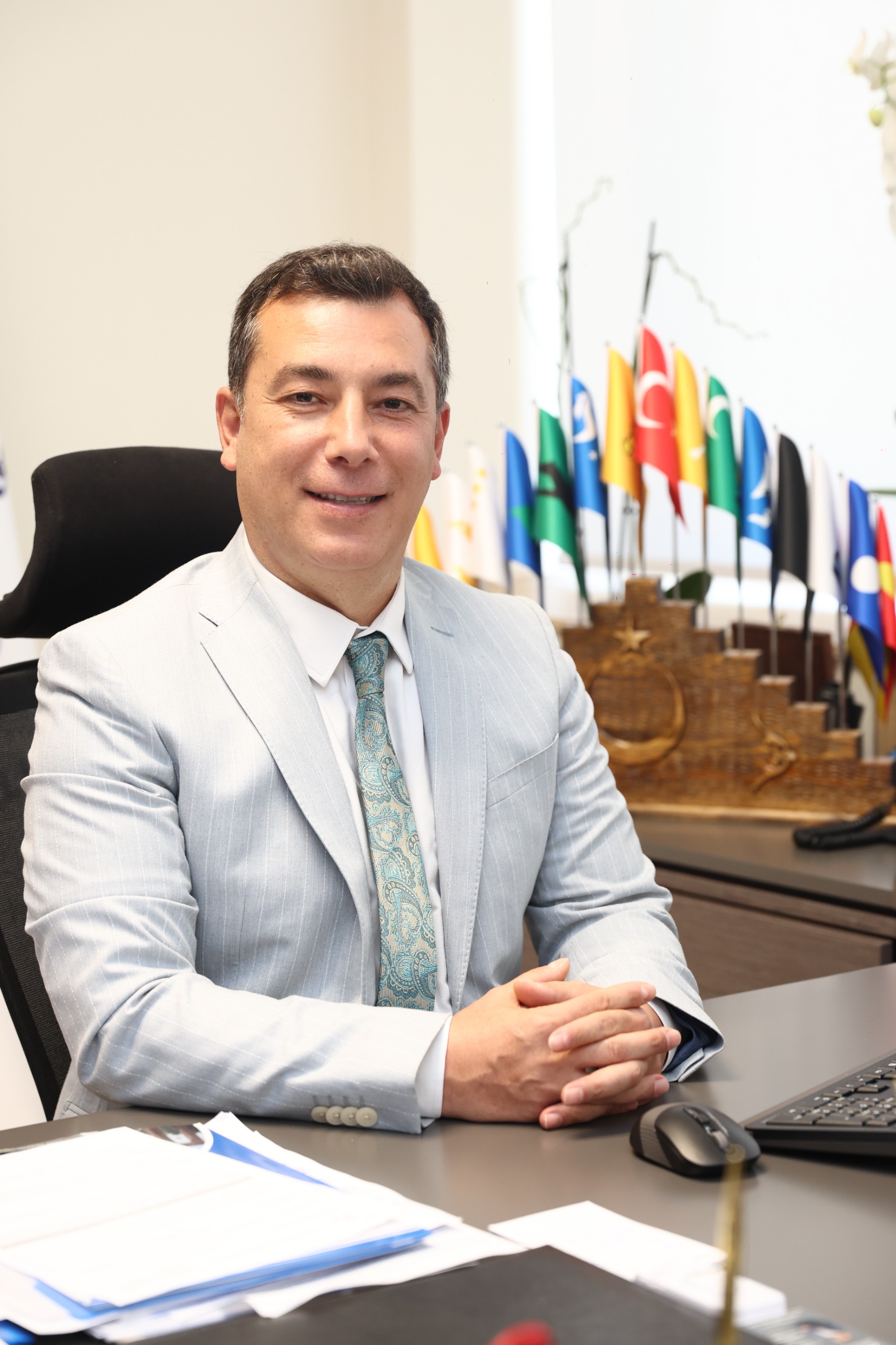
Biodata:
Prof. Dr. Dündar Yener graduated from the Department of Physics Teacher Education at Selçuk University. He began his academic career as a research assistant and, after completing his PhD, received the titles of Associate Professor and subsequently Professor in the field of Physics Education. He served for many years as a faculty member at Bolu Abant İzzet Baysal University Faculty of Education and currently continues his academic work at Dokuz Eylül University. His research focuses on teacher education, learning–teaching approaches, astronomy education, curricula, digital transformation in education, and applications of artificial intelligence. Prof. Yener has numerous national and international academic publications and has also contributed to curriculum development commissions and textbook writing projects of the Ministry of National Education. He actively participates in science communication, science festivals, and education-based social projects.
Presentation Title:
From Roots to the Future: The Maarif Model and the Century of Türkiye
Assoc. Prof. Dr. Rokhatoy Abidova
Head of English Language and Literature Department
Urgench State University named after Abu Rayhan Biruni, Uzbekistan
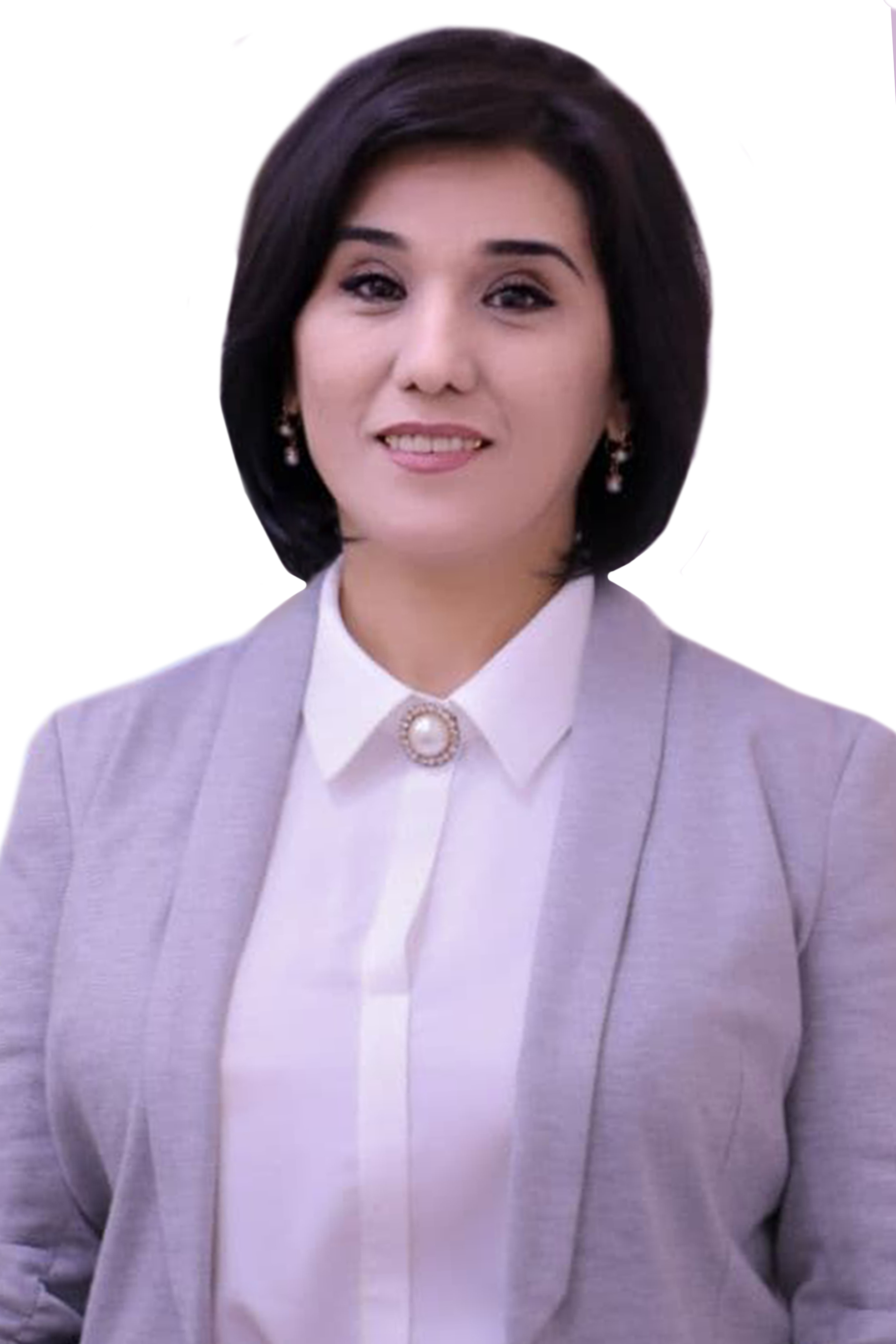
Biodata:
She is an Associate Professor and Head of the Department of English Language and Literature with over 26 years of experience in higher education and academic leadership. She holds a PhD in Philological Sciences and the academic title of Docent in Comparative Literary Criticism, Contrastive Linguistics, and Translation Studies.
Her research focuses on pragmalinguistics, contrastive linguistics, translation studies, and linguocultural analysis, with particular emphasis on speech acts and cross-cultural communication in English and Uzbek. She is the author of a monograph and numerous peer-reviewed publications.
She has extensive experience in international academic collaboration, participating in research programs, training initiatives, and conferences across Europe, Asia, and the United States. She has also contributed to major regional projects, including Accelerating English Language Learning in Central Asia (AELLCA), in partnership with leading global institutions.
She has participated in numerous international conferences as a keynote speaker and presenter, sharing her research with diverse academic audiences and fostering global scholarly exchange. She also serves on editorial boards of academic journals and actively contributes to the peer-review process, supporting the dissemination of high-quality research. In addition, she has coordinated multiple international academic initiatives.
Her work reflects a strong ability to integrate theoretical insight with practical application, positioning her as an active contributor to international research in language education, intercultural communication, and curriculum innovation.
Title of the Presentation:
A Comparative and Discursive Analysis of the Speech Act of Gratitude across Functional Speech Styles
This study presents a comparative-discursive analysis of the speech act of gratitude as manifested across different functional speech styles. Drawing on frameworks from Pragmatics, Discourse Analysis, and Speech Act Theory, the research examines how expressions of gratitude are structured, interpreted, and function within varied communicative contexts, including formal, informal, institutional, and public discourse. The study aims to identify both universal and culture-specific features expressions of gratitude, focusing on their linguistic realization, pragmatic functions, and socio-cultural constraints.
The analysis is based on a corpus of authentic texts and spoken interactions, enabling a systematic comparison of lexical, syntactic, and stylistic markers associated with gratitude. Special attention is given to the role of politeness strategies, speaker intention, and contextual factors that influence the choice and form of gratitude expressions. The findings demonstrate that while the core communicative function of gratitude remains stable, its discursive representation varies significantly depending on speech style and communicative setting.